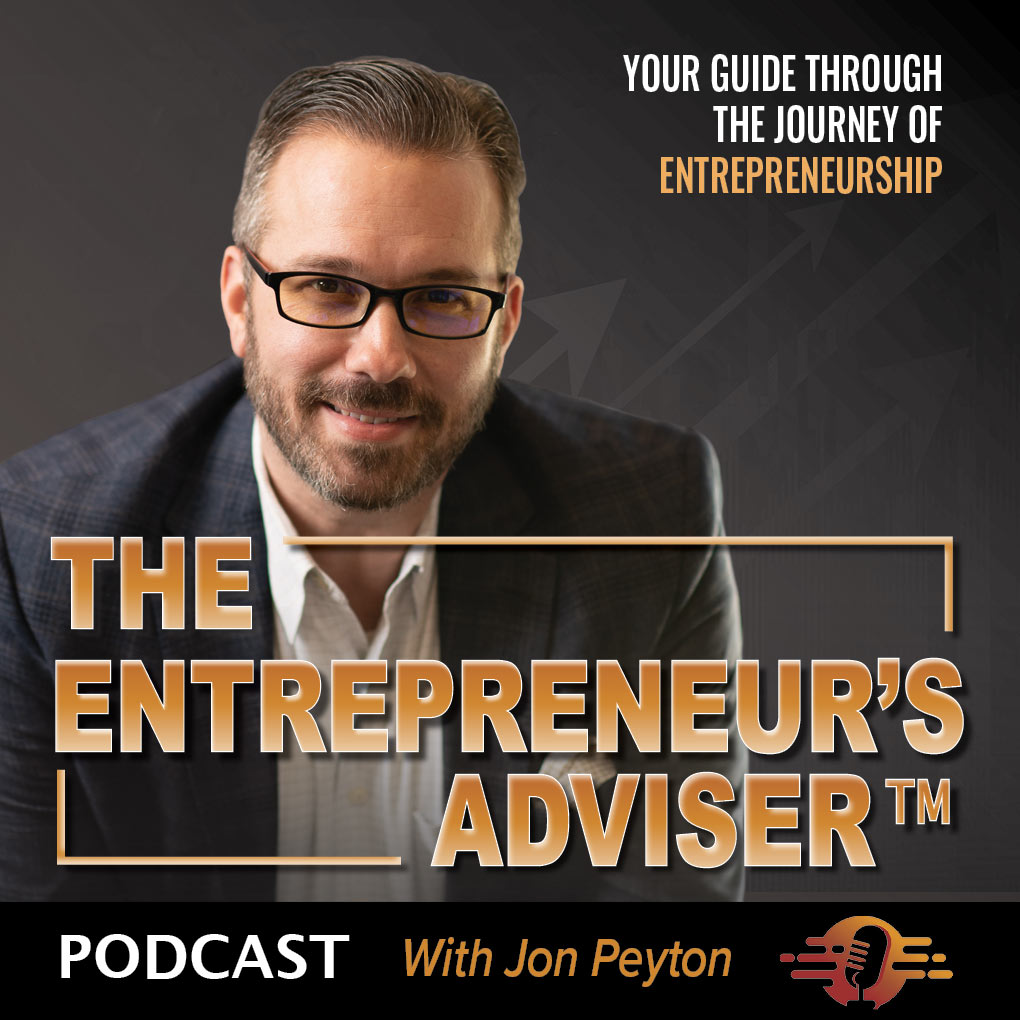
In this episode: For many entrepreneurs, “retirement” sounds like a death sentence. Jon Peyton reframes it as a transition into the next stage of life and covers three ideas that help: seeing the light at the end of the tunnel as an opportunity, planning the transition with family and employees, and finding a purpose beyond the business.
Key insights
- Entrepreneurs rarely retire in the traditional sense. They transition to something new.
- If your identity is the business, retirement can feel like losing yourself, so start building other interests now.
- A high income doesn’t guarantee you can afford your lifestyle later. Savings, not salary, fund retirement.
- Family and employees need a transition plan too, especially if the business will pass to the next generation.
- Founders who hand off a company without a plan sometimes have to come back to rescue it.
Episode timeline
- 0:36 Why retirement feels like a dreaded word
- 3:32 Three things to cover, plus fear
- 3:45 The light at the end of the tunnel
- 6:05 Can you afford your lifestyle in retirement?
- 8:23 The transition: bringing your family along
- 11:39 The transition: taking care of employees
- 13:31 Founders who came back: Steve Jobs and Michael Dell
- 16:33 Finding a new purpose
- 18:20 Building hobbies before you need them
- 20:22 Don’t fear the unknown
The episode in brief
A dreaded word. Many entrepreneurs fear retirement because the thing they’ve focused on for decades suddenly isn’t there. If your identity is the business, stepping away can feel like losing your purpose. It doesn’t have to. Retirement can mean starting another business, teaching, volunteering or anything else you choose.
The light at the end of the tunnel. When retirement is a vague, moving target, it keeps getting pushed back, and the planning never happens. Treating it as an opportunity changes how you fund it. Jon’s example: someone earning $1 million a year, netting about $600,000 after tax and spending $500,000, saves $100,000 a year. Over ten years, even with steady growth, that adds up to well under $2 million, only a few years of that lifestyle. A big income isn’t the same as being able to retire. The gap only closes with planning, started early.
The transition: family. Your business has become part of your family’s identity too. If you plan to pass it to the next generation, plan for them as well as yourself. Will they keep it running and pay you an income? Will the business borrow to buy you out? Bring family into the plan and make sure everyone knows their role.
The transition: employees. Long-time employees have been in the trenches with you. You want the company’s identity, and their jobs, to survive the handoff. Jon points to Steve Jobs, who was forced out of Apple and later returned to revive it, and Michael Dell, who stepped back in and took Dell private to reshape it. The lesson: hand off a business without the right plan and people, and you may find yourself coming back years later to save what you built.
Purpose. Purpose drove you to start the business. You’ll need a new one after it. The unknown is scary, and leaving the comfortable for the uncomfortable is a real mental challenge. Start now: list the hobbies you have or want, whether that’s golf, dance lessons, rock climbing or something else, and make time for them before you need them. Our health changes as we age, so don’t keep pushing things off.
Key action items
- Define what’s next. Write down what you’d do with your time if you stepped back from the business in five years.
- Test your retirement math. With a financial planner, compare what you spend today with what your savings could realistically support.
- Talk with your family. Discuss whether anyone wants to take over the business and what that would require.
- Protect your team. Identify who would lead the company without you and what they need to be ready.
- Start one new interest. Pick a hobby and schedule it this month.
Listen next: Episode 36: The Entrepreneur’s Goal of Building an Exit
Investing involves risk, including the possible loss of principal. Past performance is not indicative of future results.
This episode is educational and isn’t legal, tax or financial advice. Speak with your own attorney and advisers about your situation.